Navigating the EU Digital Product Passport Mandate with Ciphercode: Ensure 100% compliance and faster product launches using built-in DPP automation.
The landscape of global commerce is undergoing a seismic shift towards transparency and sustainability. At the forefront of this transformation is the European Union’s Digital Product Passport (DPP), a groundbreaking regulation poised to redefine product data for decades to come. This mandate requires products sold in the EU to have a digital record of their entire lifecycle, from the origin of raw materials to end-of-life recycling instructions. While this presents a significant compliance challenge for brands globally, it also unlocks unprecedented opportunities for consumer engagement and operational efficiency. Navigating this new terrain requires a robust, secure, and intelligent solution.
The Digital Product Passport is a digital twin of a physical product, designed to provide comprehensive, transparent, and accessible data about its journey and environmental impact. Mandated under the EU’s Ecodesign for Sustainable Products Regulation (ESPR), the DPP aims to accelerate the transition to a circular economy. This initiative is a direct response to growing consumer and investor demand for verifiable information about a product’s sustainability credentials. Amazon’s experience with its Climate Pledge Friendly program, for example, showed that 37.6 million customers in 2023 switched to more sustainable products when provided with clear information.
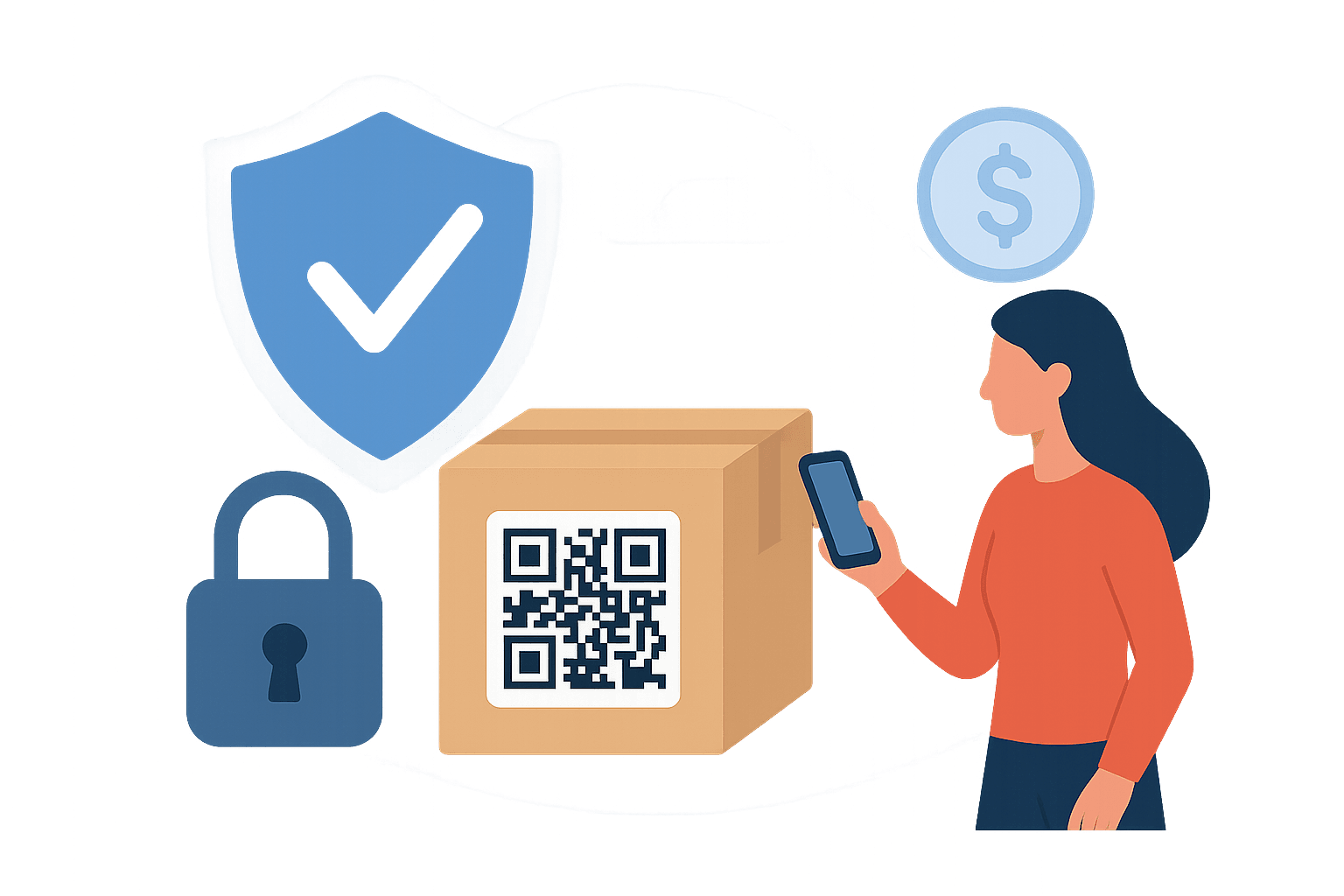
A DPP will be linked to a product via a data carrier, like a QR code, and will contain a wealth of information, including:
The ESPR, which provides the legal framework for the DPP, officially came into force in July 2024, setting a clear timeline for businesses. The implementation will be phased, targeting product categories with the highest environmental impact first.
The rollout schedule is ambitious, with the European Commission setting a critical deadline of April 19, 2025, for significant preparedness. The first products to require a mandatory DPP will be batteries for industrial use and electric vehicles, with compliance required as early as February 2027. Following this initial phase, the mandate will expand to include textiles, furniture, electronics, tires, and construction products between 2027 and 2030. The regulation’s reach is global; any company, regardless of its headquarters, must comply if it intends to sell products within the EU single market.
Achieving DPP compliance is not as simple as attaching a QR code to a product. It requires a sophisticated data management infrastructure capable of handling complex and dynamic information throughout a product’s lifecycle. Brands will face several core challenges:
This is where Ciphercode, a Bangalore-based TrustTech SaaS provider, transforms a complex regulatory hurdle into a strategic advantage. Ciphercode’s secured AI-powered platform provides a comprehensive solution for DPP readiness, leveraging patented, encrypted QR codes known as QSeal to protect authenticity and automate compliance.
Ciphercode directly addresses the core challenges of the DPP mandate:
Viewing the Digital Product Passport as merely a compliance burden is a missed opportunity. Proactive adoption offers a significant competitive advantage by positioning a brand as a leader in sustainability and transparency. The data required for the DPP can unlock new circular business models, such as tailored repair services or streamlined take-back programs, creating new revenue streams from what was once considered waste. Furthermore, embracing this level of transparency builds unbreakable consumer trust and loyalty. The efficiency gains are also substantial; research indicates that DPPs could reduce compliance costs in the consumer electronics sector by as much as 15%, saving the industry nearly €200 million annually.
The Digital Product Passport marks the dawn of a new era in product transparency and corporate accountability. Compliance is not optional, but the path to achieving it can be a catalyst for profound growth and innovation. With a partner like Ciphercode, brands can navigate the complexities of the EU mandate with confidence. By transforming products into direct-to-consumer data channels, Ciphercode’s technology ensures not only full compliance but also turns a regulatory requirement into a powerful engine for building trust, engaging customers, and driving limitless growth.
Sign up now and experience the power of True Authentication and Customer Engagement
Request Demo