
Why Encrypted QR Codes Are Critical forPremium Brands in 2025: The Trust Revolution Personalize in-store interactions based on buyer preferences revealed by product authentication.
The Importance of Trust in Premium Brand Loyalty and Consumer Expectations
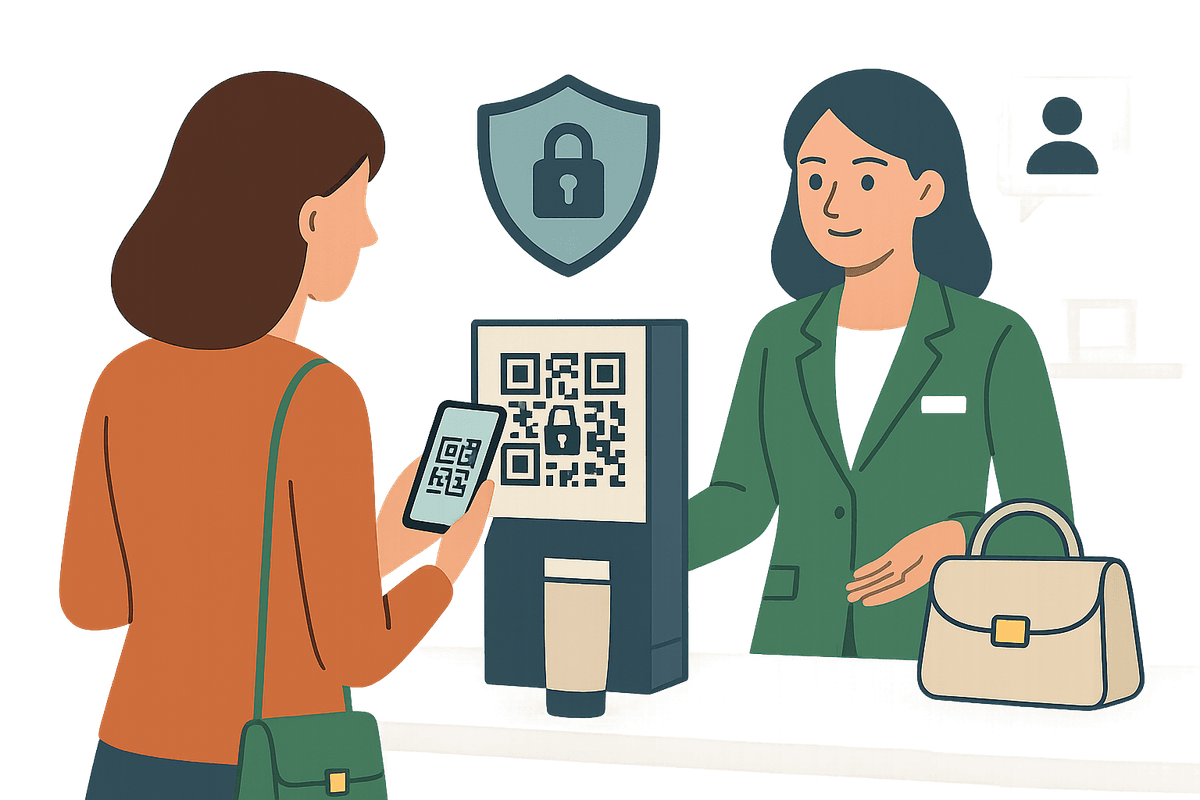
Post-sale Consumer Connection as a Profit Engine
Post-sale consumer connection is a profit engine for premium brands because it lifts retention, repeat purchase, and advocacy—far more efficiently than acquisition-heavy strategies. As expectations rise, customers weigh experience as heavily as product quality, making the period after purchase decisive for loyalty and lifetime value.
Why It Matters Now
Even a 5% lift in retention can increase profits by 25% to 95%, which is why premium brands that excel after the sale structurally outperform peers reliant on constant top-of-funnel spend. At the same time, 88% of buyers say the experience a company provides is as important as its products or services, shifting competitive advantage toward brands that deliver thoughtful, reliable post-purchase journeys.
Trust, Loyalty, and Advocacy
Empirical studies link post-purchase service quality—returns, responsiveness, proactive resolution—to greater satisfaction and repeat purchase propensity, which compounds brand equity for premium categories where expectations are highest. Poor delivery or follow-through quickly erodes intent to reorder, with research indicating large shares of shoppers will not return after a bad post-purchase experience, underscoring the risks of neglecting the ownership phase. Because premium buyers pay for assurance as much as performance, consistent post-sale care becomes the signature that converts first-time buyers into long-term advocates.
Personalization Drives Lifetime Value
McKinsey finds that personalization typically yields a 10–15% revenue lift, with gains up to 25% for mature programs, making tailored post-purchase content and offers a direct lever for premium lifetime value growth. Brands that “get it right” see better retention and upward migration, because relevant, well-timed post-sale nudges feel like stewardship rather than selling. In premium segments, curated care guides, replenishment timing, and fit-based recommendations demonstrate intimacy that customers reward over years, not weeks.
Connected Packaging as a Bridge
GS1 Digital Link upgrades the humble barcode into a web-native identifier that routes each scan to dynamic, role-aware content across the product lifecycle, including ownership and service phases. In India and globally, GS1-compliant 2D codes consolidate GTIN, batch, and expiry into a single symbol that works for retail, service, and consumers, which is ideal for seamless post-purchase experiences at scale. By anchoring post-sale journeys to an on-pack code, premium brands can meet customers where usage happens—on the product—reducing friction and guesswork.
Turning Products into Channels
Connected packaging turns owned products into always-on media that deliver instructions, provenance, accessories, refill options, and service booking via a single scan, building trust with clarity and convenience. Industry leaders show how GS1 Digital Link-powered microsites can unify authenticity, warranty, and content updates over time, transforming a static label into a lifetime concierge for premium owners. This approach also shifts engagement spend from third-party platforms to an owned, measurable channel activated whenever the consumer interacts with the product.
Authenticity and Assurance
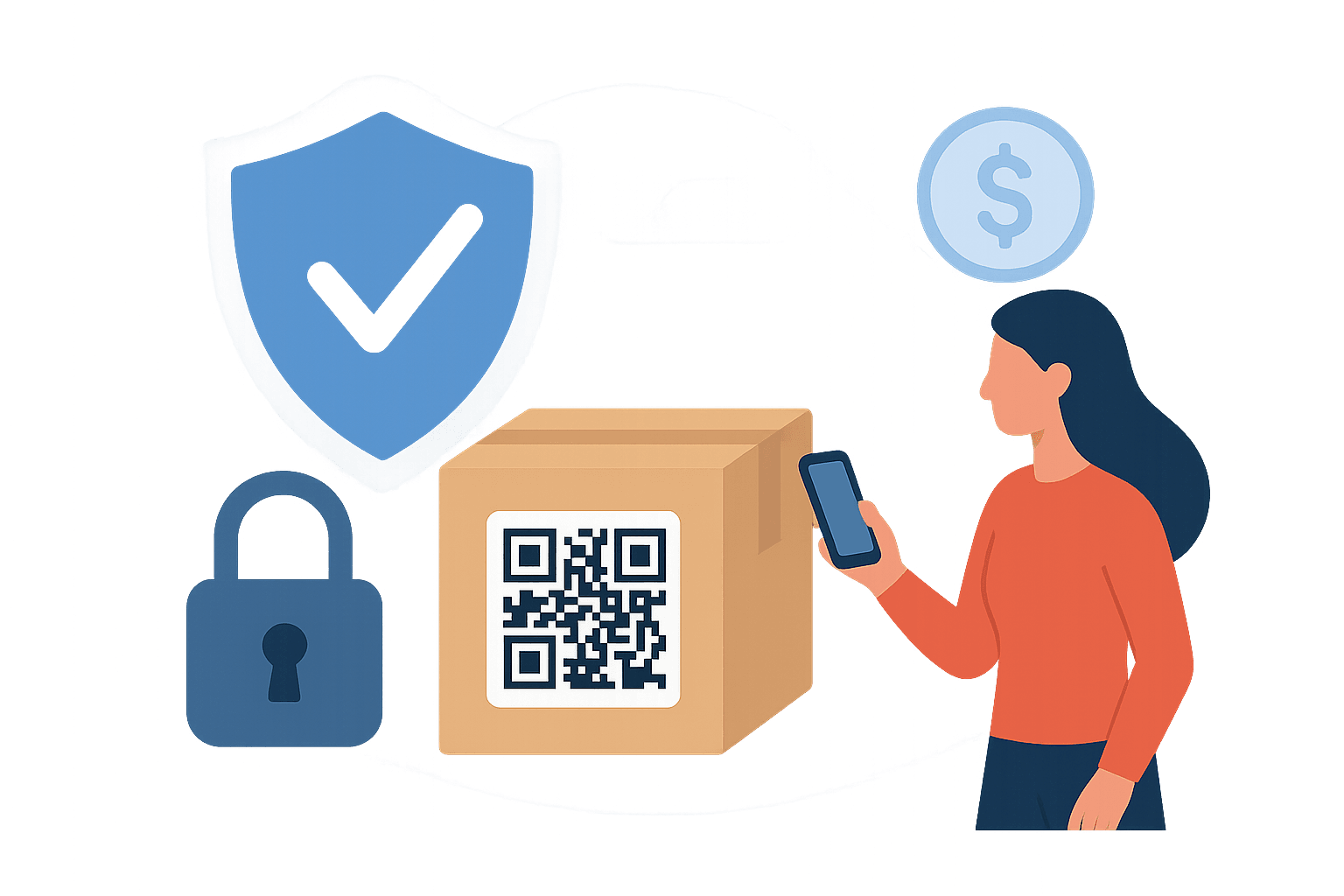
Secure, standards-based QR implementations layered with serialization and verification make counterfeits and diversion easier to detect, which is central to confidence in premium categories like beauty, spirits, and luxury. A single scan can authenticate, then provide care, service schedules, or recall notices, reinforcing that the brand is present and accountable after checkout. In markets emphasizing transparency, GS1 Digital Link pages can also surface origin and certification data, further strengthening post-sale trust.
Service, Returns, and Warranty as Loyalty Levers
Research highlights that efficient returns, responsive support, and clear warranty processes materially increase satisfaction and repurchase intent, particularly in digital retail contexts common to premium buyers. Conversely, bad delivery or service experiences can suppress reorder rates, inflating acquisition pressure and harming margins—an avoidable outcome with better post-purchase design. Premium brands that treat service touchpoints as brand moments, not cost centers, see stronger retention and word-of-mouth effects over time.
Community, UGC, and Social Proof
User-generated content in the ownership phase—reviews, tips, styling posts—drives significant conversion impact, with studies showing over 100% lift among visitors who interact with UGC on product pages. Soliciting authentic reviews and showcasing real-owner experiences transforms satisfied customers into powerful advocates who help future buyers feel confident, especially for high-consideration premium products. Post-purchase prompts for reviews, images, and use cases close the loop by turning great ownership moments into scalable social proof.
The Economics of Retention
Because retention gains amplify profits, post-sale excellence is often the highest-ROI growth investment a premium brand can make versus adding more ad spend to acquire similar customers. This is amplified by the experience-equals-product dynamic, where better support and engagement mitigate churn and increase cross-sell and upsell acceptance over time. The net effect is a compounding CLV flywheel that funds better craftsmanship, service standards, and sustainability commitments prized in premium segments.
Metrics That Matter
- Retention rate & CLV: Track by cohort to quantify gains from improved post-sale journeys and tie changes to interventions like connected packaging or service SLAs.
- NPS & satisfaction: Monitor across delivery, setup, service, and returns to identify friction that suppresses reorder intent in premium segments.
- UGC & engagement lifts: Compare conversion and revenue lift from UGC participation and scan-based interactions.
- Scan analytics: Track content gaps, regional issues, and engagement depth from connected packaging.
Implementation Playbook
- Implement GS1 Digital Link 2D codes: Consolidate authentication, care content, warranty registration, and loyalty enrollment into a single scan.
- Design role-aware microsites: Owners get setup and care; retailers get POS prompts; service teams get diagnostics and parts.
- Launch post-purchase personalization: Tutorials, replenishment nudges, and accessories to achieve 10–15% revenue lift.
- Operationalize service excellence: Transparent SLAs, easy returns, proactive post-delivery outreach.
- Activate community loops: Request reviews and showcase owner UGC for over 100% conversion lift.
- Use connected packaging analytics: Identify gaps and iterate until scan-to-satisfaction metrics stabilize.
- Align with GS1 India standards: Ensure retailer and regulatory interoperability.
Premium Playbook Examples
Brands using connected packaging report clearer ownership journeys with dynamic care content and recall messaging, which reduces service tickets and increases confidence in premium purchases. Luxury and beauty leaders link on-pack scans to authenticity plus regimen guidance, turning each product into a smart touchpoint that encourages replenishment and reduces buyer’s remorse. By unifying trust, utility, and storytelling in the post-sale phase, these brands harden loyalty moats that acquisition competitors struggle to penetrate.




Start Your Journey Today
Sign up now and experience the power of True Authentication and Customer Engagement
Request Demo