
The Role of Encrypted QR Codes in Product Security
Understanding Encrypted QR Codes: What They Are and How They Work
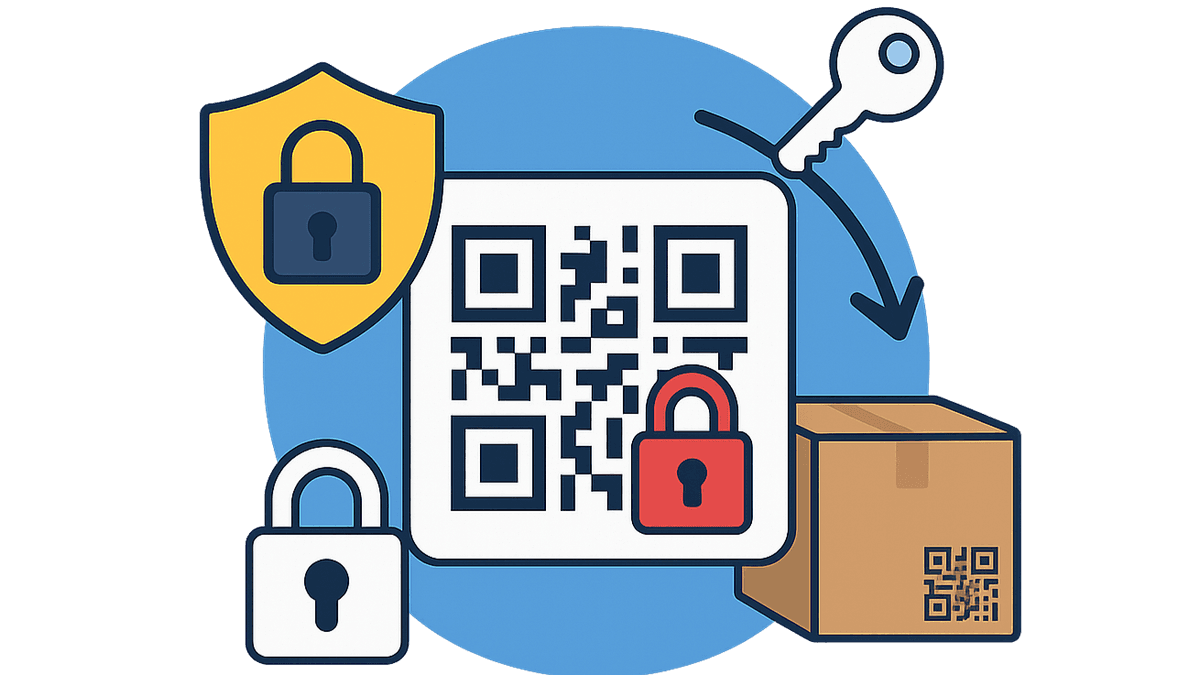
Encrypted QR Codes for Product Security and Trust
Encrypted QR codes play a pivotal role in product security by binding cryptographic data to a scannable code, enabling quick authenticity checks, anti-cloning protections, and trusted, role-aware product experiences on any smartphone. When combined with standards like GS1 Digital Link, they connect unique product identities to authoritative, real-time information that reduces risk and builds confidence across the supply chain and at point of purchase.
What encrypted QR means
Encrypted or cryptographically secured QR codes encapsulate data that is protected with cryptographic techniques so only authorized systems can validate or interpret it, preventing trivial copying and spoofing of static codes. In practice, leading implementations use signed tokens and public-key cryptography so the QR is a transport for verifiable data rather than a shared secret, aligning with passwordless, no-shared-secret principles. This ensures the payload cannot be altered without detection and that verification systems can check signatures and context before returning a “genuine” response.
Why encryption matters
Plain static QR codes are easy to duplicate, allowing counterfeiters to print the same code across many fake items without detection, which undermines trust and traceability. Cryptographic signing or encryption binds the code to an identity and context, enabling servers to reject clones, expired tokens, or tampered payloads during verification flows. This raises the cost and difficulty of counterfeiting while preserving the familiar, low-friction scan experience consumers already understand.
Deterring cloning and tampering
Secure QR solutions combine serialization, cryptographic controls, and server-side checks to detect anomalous scan patterns (e.g., many scans from different geographies on the same ID), which is a hallmark of copied codes. Dynamic or one-time tokens further limit replay by expiring quickly or being bound to a nonce, session, or channel that prevents reliable reuse by counterfeiters. These controls allow legitimate items to authenticate instantly while giving brands telemetry to locate hotspots and trigger enforcement or consumer alerts.
Standards and interoperability
GS1 Digital Link turns standard identifiers such as GTIN into web-native URIs, connecting each item to controlled, real-time content across allergens, recalls, and provenance, while remaining scannable at retail and in logistics. In India and globally, GS1 Digital Link can encode batch, expiry, and manufacturing details in a single 2D symbol that serves both consumers and supply chain stakeholders, consolidating multiple barcodes into one. This standards-first approach ensures encrypted or signed QR implementations can coexist with retail scanners, supplier systems, and regulatory workflows without fragmenting packaging or processes.
How verification works
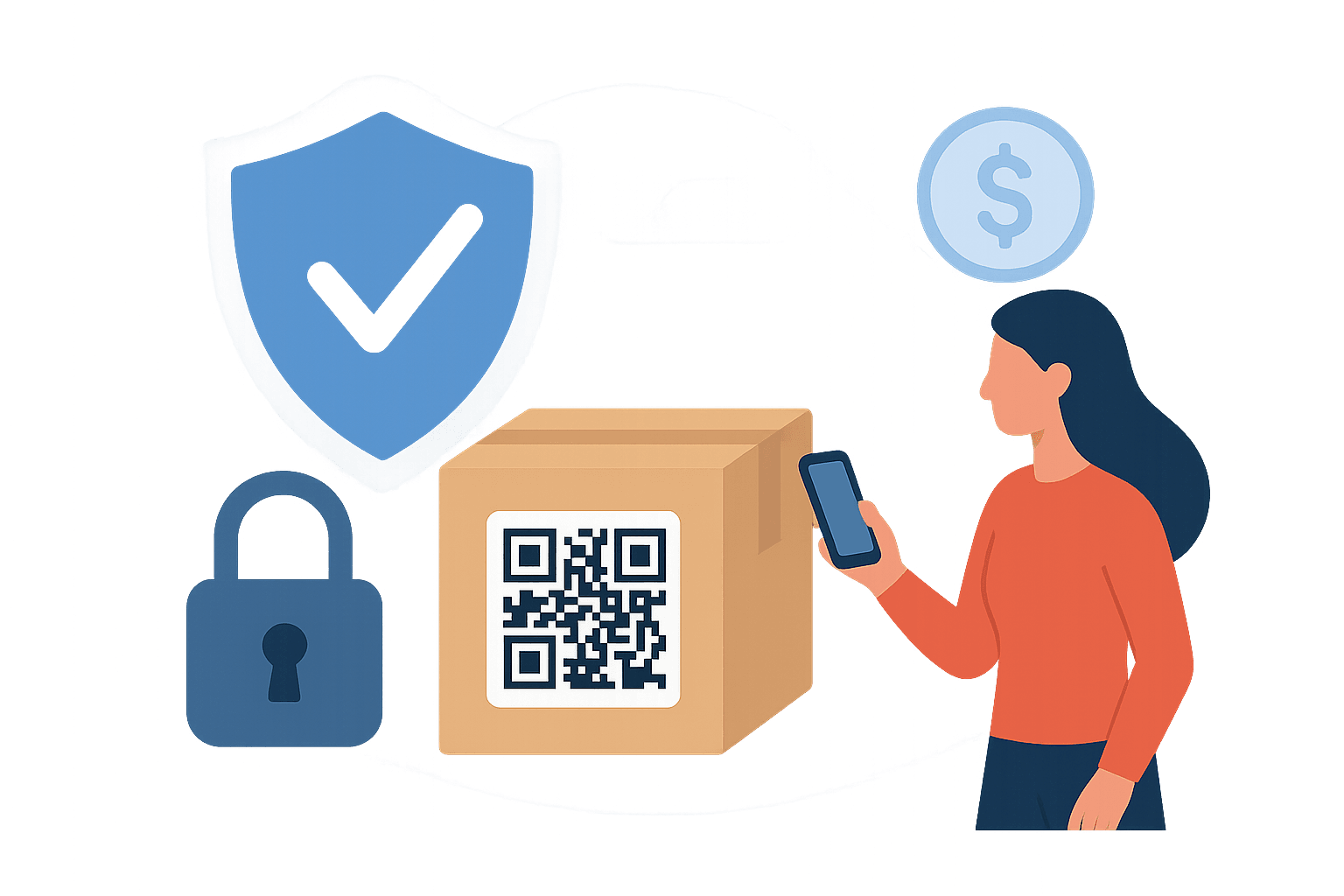
A secure verification flow treats the QR like a bridge between the screen and a trusted authenticator, using independent channels so the relying party and authenticator communicate securely without exposing secrets in the code itself. The mobile authenticator or verification service validates the cryptographic payload, checks status and context (e.g., time, rate limits, issuer domain), and only then returns authenticity status and relevant content. This pattern—central to passwordless security—translates cleanly to product authentication, where “no shared secret in the code” prevents database leaks or code scraping from enabling mass forgeries.
Beyond encryption: physical-layer security
Research shows embedding digital watermarks into QR images provides a tamper-resistant visual signature that survives print and scan, giving verifiers a second channel to detect reprints and manipulations. Copy-proof QR implementations use micro-patterns or optical features designed to degrade when photographed or duplicated, flagging fraudulent labels in real time while remaining smartphone-friendly. Combining cryptographic payloads with such physical unclonable features creates multi-level security that frustrates both code scraping and label cloning.
GS1 Digital Link in practice
With Digital Link, a single QR can route different audiences—consumers, retailers, service teams—to purpose-built pages while carrying standardized identifiers and attributes for traceability and transparency. Brands can link origin details, certifications, usage instructions, and batch/expiry data in one symbol while maintaining checkout compatibility and scan reliability in omnichannel workflows. This turns every secure scan into both an authenticity check and a trust-building moment with authoritative product data.
Key threats and mitigations
- Code copying and replay: mitigate with signed or encrypted payloads, short-lived tokens, and server-side anomaly detection tied to serialization and context.
- Phishing and malicious redirects: enforce domain control and resolvers, verify issuer identity, and use standardized, brand-owned endpoints via Digital Link.
- Offline cloning of labels: employ watermarking, microstructure features, or optical security that degrades on reprint to complement cryptography.
- Channel hijacking: use independent communication paths between access device and authenticator, consistent with secure QR authentication models.
Designing consumer-first experiences
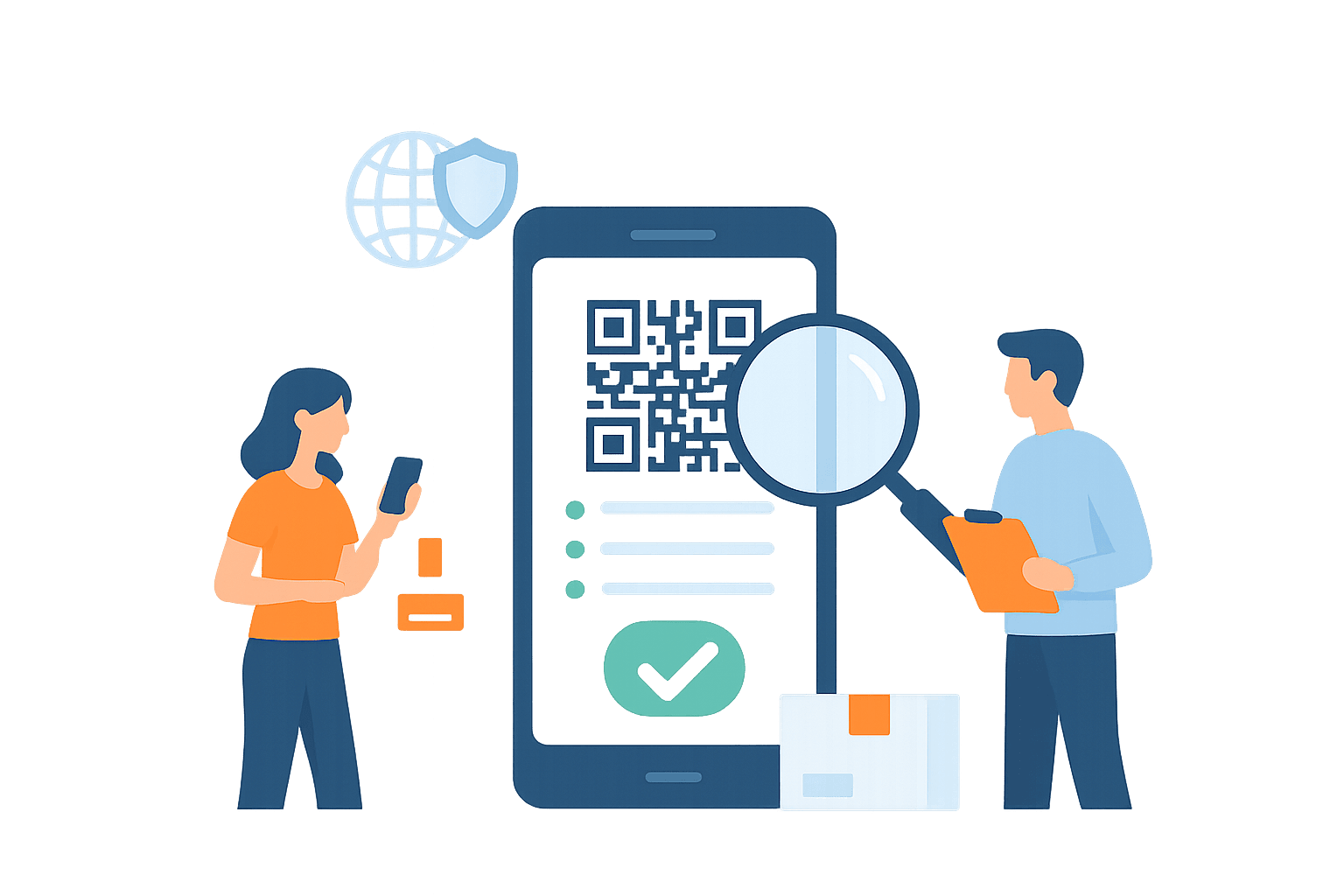
A good secure QR flow answers “Is it genuine?” in one scan, then provides provenance, care, warranty, or recall guidance without demanding an app install or complex steps. Digital Link enables the same symbol to power rich consumer content and compliance-grade supply chain data, so trust and utility increase together rather than forcing trade-offs. In markets like India, encoding batch and expiry alongside GTIN in the QR makes everyday checks easier for retailers and shoppers while satisfying data-sharing expectations.
Analytics, insights, and ROI
Secure QR telemetry highlights abnormal scan surges by region or channel, guiding enforcement and retailer education while quantifying deterrence impact over time. Role-based destinations and content personalization convert successful authentications into engagement, which improves loyalty and reduces returns or chargebacks from dubious purchases. Consolidating multiple symbols into one GS1-compliant code also frees packaging space and simplifies operations, which improves adoption across SKUs and partners.
Implementation blueprint
- Adopt a standards-first data model: with GTIN, batch/lot, serials, and expiry encoded via GS1 Digital Link for interoperability across commerce and compliance.
- Choose a cryptographic scheme: where the QR carries a signed (and optionally encrypted) payload validated by a trusted verifier that never relies on shared secrets in the code.
- Harden labels: with optional watermarks or copy-proof patterns to resist camera-based cloning, especially for high-risk or premium SKUs.
- Build role-aware experiences: so the same scan can authenticate, assist checkout, update warranty, or surface recalls based on stakeholder and context.
- Instrument anomaly detection: and rate limits to flag improbable scan behavior, then route alerts to brand protection teams for swift action.
Encrypted QR codes transform product security by pairing cryptographic assurance with familiar scanning, making authenticity checks fast, reliable, and resistant to cloning at scale. When implemented with GS1 Digital Link and optional physical-layer defenses, they deliver interoperable trust across consumer touchpoints and the supply chain in every market.




Start Your Journey Today
Sign up now and experience the power of True Authentication and Customer Engagement
Request Demo