
Unlocking Campaign Insights with AI-Powered Consumer Journey Analytics
Leverage predictive analytics to forecast outcomes and tailor future marketing efforts.
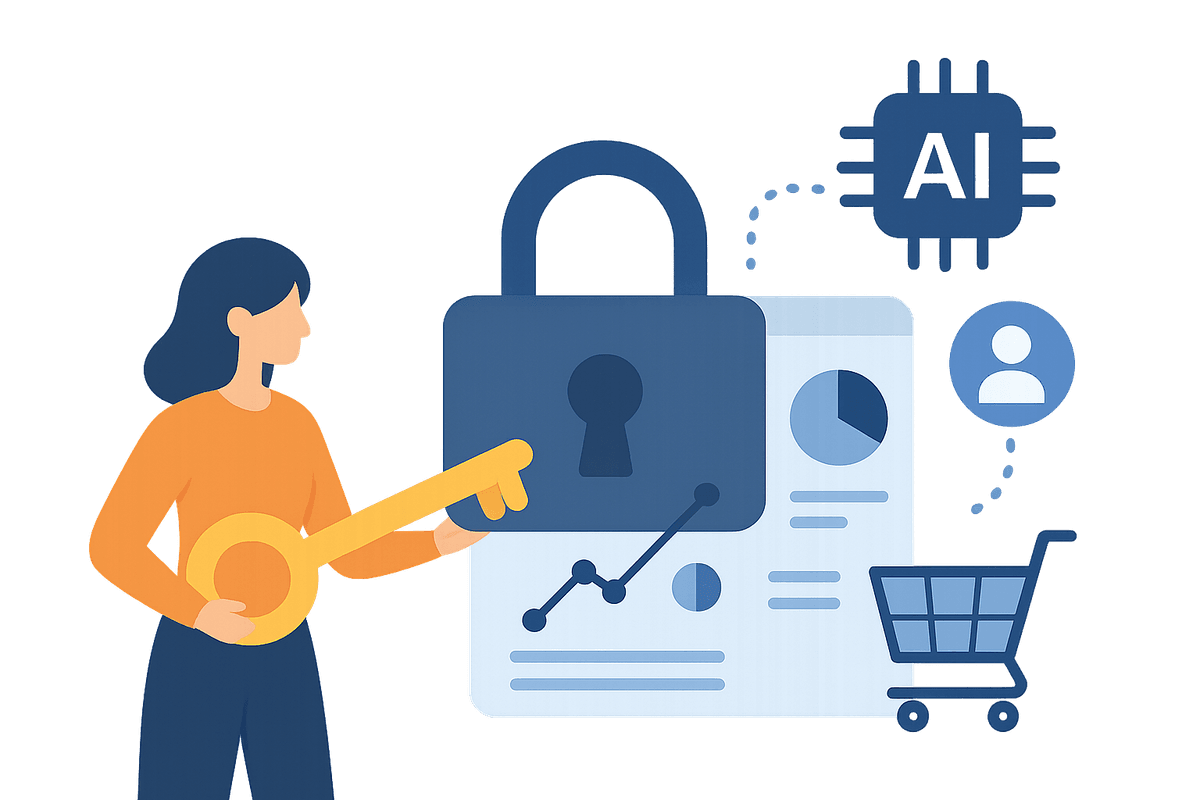
Unlocking Campaign Insights with AI-Powered Consumer Journey Analytics
Leverage predictive analytics to forecast outcomes and tailor future marketing efforts.
In today’s fiercely competitive market, understanding and optimizing campaign return on investment (ROI) is paramount for sustainable growth. The digital landscape is saturated with data, and the brands that succeed are those that can effectively harness this information to gain a deeper understanding of their customers. This is where the power of artificial intelligence (AI) comes into play, transforming the way marketers approach campaign analytics and consumer engagement. By leveraging AI-powered tools, businesses can move beyond simple metrics and unlock actionable insights from the entire consumer journey, leading to more effective campaigns and a significant boost in ROI. The global AI in marketing industry is valued at $47.32 billion in 2025 and is projected to grow to over $107.5 billion by 2028, a clear indicator of its expanding influence.
The modern consumer journey is no longer a linear path but a complex web of interactions across multiple online and offline channels. Customers might discover a product on social media, research it on a blog, compare prices on an e-commerce platform, and finally make a purchase in a physical store. This omnichannel approach is becoming increasingly prevalent, with 73% of shoppers using multiple channels during their purchasing journey. Companies with strong omnichannel strategies retain an average of 89% of their customers, compared to 33% for those with weak strategies. This highlights the critical need for a unified view of the customer, which is where AI-powered analytics platforms like Ciphercode’s prove invaluable. By integrating data from various touchpoints, these platforms create a holistic profile of each customer, allowing marketers to understand their behavior, preferences, and motivations at a granular level.
AI-powered analytics platforms go beyond simply collecting data; they use sophisticated algorithms to identify patterns and trends that would be impossible for a human analyst to spot. This enables marketers to understand not just what customers are doing, but why they are doing it. For example, AI can analyze browsing history, purchase data, and social media interactions to identify customers who are at risk of churning, allowing marketers to proactively intervene with targeted retention campaigns. This level of personalization is a key driver of customer loyalty and repeat business, with 80% of consumers more likely to make a purchase when offered personalized experiences. Ciphercode’s platform, for instance, empowers brands to deliver tailored promotions, loyalty rewards, and real-time insights, fostering stronger customer relationships.
Leverage predictive analytics to forecast outcomes and tailor future marketing efforts.
The true power of AI in marketing lies in its ability to predict future outcomes and guide strategic decision-making. Predictive analytics uses historical data and machine learning algorithms to forecast future trends, enabling marketers to anticipate customer behavior and optimize their campaigns for maximum impact. By analyzing past campaign performance and customer data, predictive models can identify which channels, messages, and offers are most likely to resonate with specific audience segments. This allows marketers to allocate their budgets more effectively, focusing on the strategies that will deliver the highest ROI.
Predictive analytics also plays a crucial role in personalizing the customer experience. By understanding each customer’s individual needs and preferences, marketers can deliver highly targeted content and product recommendations that are more likely to convert. This level of personalization can have a significant impact on sales, with a 250% higher purchase rate on omnichannel platforms compared to single-channel approaches. Furthermore, predictive analytics can help businesses identify new market opportunities and emerging trends, giving them a competitive edge. A McKinsey report predicts that by 2030, 30% of work hours may be automated using AI, freeing up marketers to focus on more strategic initiatives. As AI technology continues to evolve, its role in shaping the future of marketing will only become more pronounced, with nearly 90% of Fortune 1000 companies increasing their investments in this area.
The adoption of AI in marketing is no longer a niche trend but a widespread phenomenon, with 88% of marketers already using AI in their daily roles. This rapid adoption is driven by the tangible benefits that AI delivers, including increased efficiency, improved personalization, and enhanced campaign performance. As we move further into 2025 and beyond, the integration of AI-powered analytics will become even more critical for success. By embracing these technologies, businesses can gain a deeper understanding of their customers, optimize their marketing strategies, and ultimately, drive profitable growth in an increasingly competitive landscape. The ability to translate data into actionable insights is the key to unlocking the full potential of any marketing campaign, and AI is the engine that will power this transformation.



Start Your Journey Today
Sign up now and experience the power of True Authentication and Customer Engagement
Request Demo